
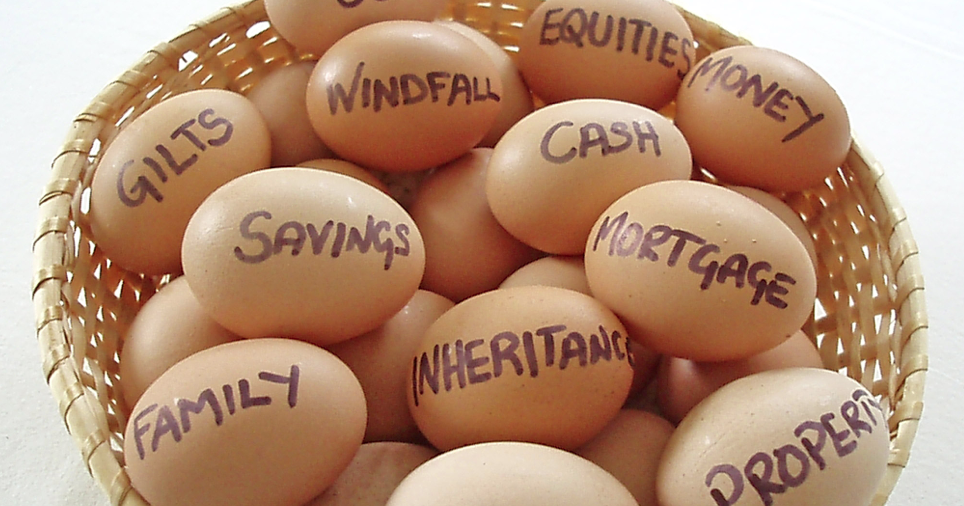
Smart Diversification: Don’t Put All Your Eggs in One Basket invites you to explore the essential strategy of spreading investments across various assets to minimize risk. In today’s unpredictable financial landscape, relying on a single asset can lead to significant losses, making diversification not just a strategy but a necessity. This concept emphasizes the importance of a balanced portfolio, where the interplay of different investments can enhance overall financial stability and growth.
Diving deeper, we will discuss the various forms of diversification, the historical context of this strategy, and the techniques that can be employed to effectively diversify your portfolio. Whether you’re a seasoned investor or just starting, understanding smart diversification can empower you to make informed decisions that align with your financial goals.
Welcome to our delightful exploration of the world around us! In today’s feature, we will delve into the wonders of sustainable living, a topic that has garnered much attention in recent years but is often misunderstood. Our goal is to break down the concept of sustainability into enjoyable, bite-sized pieces that are easy to digest and apply to everyday life.
### What is Sustainability?
At its core, sustainability refers to meeting our own needs without compromising the ability of future generations to meet theirs. It encompasses a range of practices, systems, and policies aimed at protecting the environment while also promoting economic and social well-being. In simpler terms, it’s about finding a balance—using resources wisely and ensuring that we leave the planet in good shape for those who come after us.
### The Importance of Sustainable Living
1. Environmental Protection: One of the primary reasons we should consider sustainable living is for the health of our planet. Over the years, human activities have led to deforestation, pollution, and climate change. By adopting sustainable practices, we can mitigate these effects and protect delicate ecosystems.
2. Economic Benefits: Contrary to popular belief, living sustainably can be cost-effective. Many sustainable practices, such as growing your own food or using energy-efficient appliances, can lead to significant savings over time. Investing in renewable energy sources can also reduce long-term utility costs.
3. Healthier Lifestyle: Sustainable living often encourages healthier choices. For instance, eating locally sourced and organic foods can lead to better health outcomes and reduce the carbon footprint associated with transporting food over long distances.
4. Community Development: Sustainability promotes community engagement and local economies. Supporting local businesses and farmers not only strengthens your community but also reduces the environmental impact associated with shipping goods over long distances.
### Easy Steps to Start Living Sustainably
Transitioning to a sustainable lifestyle doesn’t have to be overwhelming. Below are some simple steps you can take to get started on your journey:
#### 1. Reduce, Reuse, Recycle
This classic mantra is a great place to begin. Reducing waste means buying less and choosing products with minimal packaging. Reusing items can save money and cut down on waste. Recycling ensures that materials are processed and can be used again, minimizing the need for new resources.
#### 2. Go Green with Your Home
– Energy Efficiency: Start with small changes such as switching to LED light bulbs, using energy-efficient appliances, or unplugging devices when not in use.
– Water Conservation: Simple actions like fixing leaks, using low-flow showerheads, and collecting rainwater can significantly save water.
– Eco-Friendly Materials: When renovating or redecorating your home, consider using sustainable materials like bamboo or reclaimed wood.
#### 3. Embrace the Outdoors
Engaging with nature can inspire you to live more sustainably. Start a garden, even if it’s just a few herbs on your windowsill. Participate in local clean-up efforts or join a community gardening group. These activities not only benefit the environment but also foster a sense of community.
#### 4. Choose Sustainable Transportation
Transportation is a significant contributor to greenhouse gas emissions. If possible, opt for public transportation, biking, walking, or carpooling. If you’re in the market for a new vehicle, consider a hybrid or electric car. Every small change contributes to a larger impact.
#### 5. Eat Sustainably
– Farm-to-Table: Support local farmers by purchasing seasonal produce at farmer’s markets. This not only helps the local economy but also ensures you’re eating fresher, healthier foods.
– Plant-Based Diet: Reducing meat consumption can have a positive environmental impact. Explore plant-based recipes and try to incorporate more vegetables into your meals.
#### 6. Stay Informed and Educate Others
Knowledge is power! Stay informed about environmental issues and sustainable practices. Share what you learn with friends and family. Together, we can inspire each other to make better choices for our planet.
### The Role of Technology in Sustainability
Technology plays a significant role in promoting sustainability. Innovative solutions, like smart home systems that optimize energy use or apps that help track your carbon footprint, can empower individuals to make more informed choices. The rise of renewable energy technologies, such as solar panels and wind turbines, is also making it easier and more accessible for households to adopt green practices.
### Challenges to Sustainable Living
While the benefits of sustainable living are clear, it’s important to acknowledge the challenges. Changing habits, overcoming societal norms, and sometimes higher upfront costs can deter individuals from making the switch. However, understanding these challenges can help us develop strategies to overcome them.
1. Mindset Shift: Sustainable living often requires a shift in how we view consumption and waste. It’s important to cultivate a mindset that values quality over quantity.
2. Community Support: Engaging with like-minded individuals can provide the motivation and support needed to maintain sustainable habits. Join local environmental groups, attend workshops, or participate in online forums to share ideas and strategies.
3. Policy Changes: Advocating for policies that promote sustainability at the local, national, and global levels is crucial. Engage with your local representatives and support initiatives that encourage sustainable development.
### Conclusion: The Path Forward
Sustainable living is not just a trend; it’s a necessary shift towards a healthier planet for future generations. By making small, intentional changes in our daily lives, we can contribute to a more sustainable future. Remember, every little effort counts! Embrace the journey, educate yourself and others, and enjoy the positive impact you’re making on the world around you.
So, are you ready to take that first step towards a more sustainable lifestyle? Let’s embark on this journey together, one small change at a time!
Expert Answers: Smart Diversification: Don’t Put All Your Eggs In One Basket
What is smart diversification?
Smart diversification is the practice of spreading investments across various assets to reduce risk and enhance potential returns.
Why is diversification important?
Diversification is important because it minimizes the impact of any single asset’s poor performance on the overall portfolio, helping to stabilize returns.
How can I diversify my investments?
You can diversify by investing in different asset classes, such as stocks, bonds, real estate, and commodities, as well as across various industries and geographic regions.

Is there a downside to diversification?
While diversification can reduce risk, it may also limit potential gains if high-performing assets are underrepresented in your portfolio.
How often should I review my diversified portfolio?
It’s advisable to review your diversified portfolio at least annually or whenever there are significant market changes to ensure it aligns with your financial goals.